
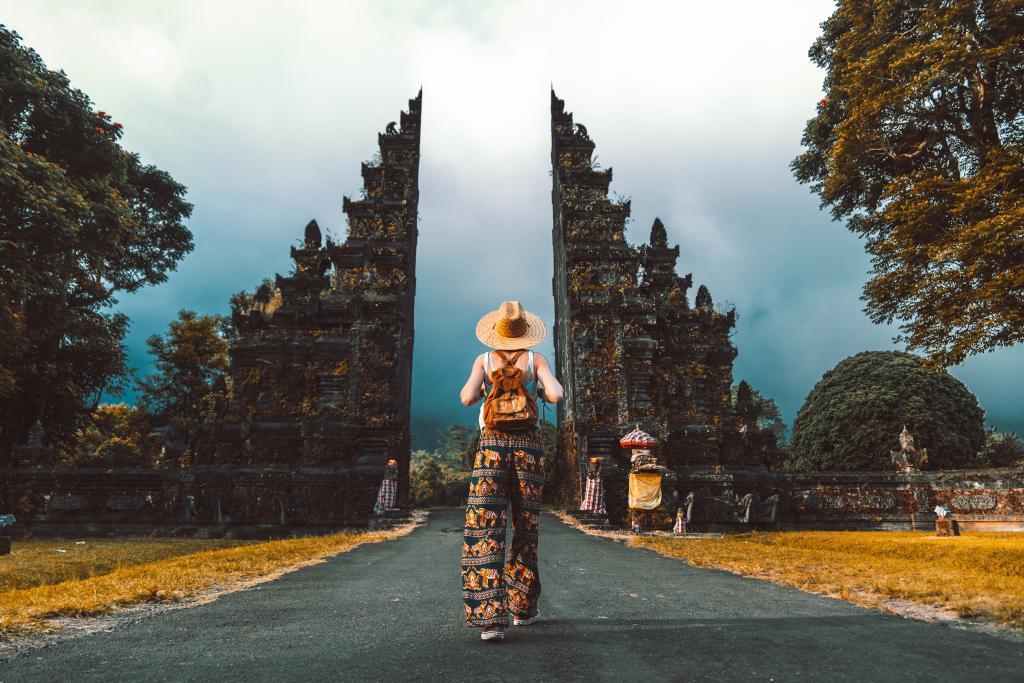

The definition of travel has changed dramatically. For today’s travelers, especially younger generations, the value of a trip is no longer measured by five-star hotels or premium amenities, but by memorable experiences and authentic connections. Modern travel is about stories, emotions, and personal growth rather than polished surfaces and material comfort.
The Shift From Status to Meaningful Travel
Luxury once symbolized success and exclusivity. Now, travelers seek meaning over status, choosing experiences that leave a lasting impression.
Experiences Create Emotional Value
Experiences engage emotions in ways material luxury cannot. Travelers remember moments—sunrise hikes, shared meals with locals, or immersive cultural festivals—long after a trip ends.
Why experiences resonate more deeply:
- They create lasting memories
- They foster emotional connection
- They feel personal and unique
The Influence of Digital Culture and Social Sharing
Social media has reshaped how people travel and what they value during a trip. Experiences provide stories worth sharing, while luxury alone often feels repetitive.
Travel as a Form of Self-Expression
Modern travelers curate experiences that reflect their values and identity. Adventure, wellness, culture, and sustainability often define travel choices more than brand names.
Popular experience-driven travel trends include:
- Culinary and food-focused travel
- Wellness retreats and mindfulness journeys
- Adventure and outdoor exploration
- Community-based and cultural tourism
Authenticity Matters More Than Perfection
Polished luxury can feel disconnected from local life. Travelers increasingly want to experience destinations as locals do, embracing imperfections that make a place real.
Local Immersion Over Premium Comfort
Staying in neighborhood rentals, eating at family-run restaurants, and participating in traditional activities allow travelers to form genuine connections.
This approach offers:
- Deeper cultural understanding
- Meaningful human interactions
- A sense of belonging rather than observation
Experiences Offer Better Value Than Luxury
Many travelers believe experiences deliver greater long-term value than expensive accommodations or premium services.
Spending on Moments, Not Objects
An unforgettable experience often costs less than luxury lodging but provides far greater emotional return. Travelers prioritize activities that enrich their lives rather than temporary indulgence.
Common experience-focused spending choices:
- Guided cultural tours
- Skill-based workshops
- Nature excursions and safaris
- Local events and festivals
The Role of Personal Growth in Travel Choices
Travel has become a tool for learning, reflection, and transformation. Experiences challenge comfort zones and encourage personal development.
Travel as Education and Inspiration
Modern travelers use travel to:
- Learn new skills
- Understand different worldviews
- Reconnect with themselves
- Build empathy and perspective
Luxury comforts rarely offer the same sense of growth or fulfillment.
Sustainability and Ethical Awareness
Experience-driven travel often aligns with sustainable and ethical values. Travelers are increasingly aware of their impact on destinations.
Supporting Communities Through Experiences
Choosing local guides, artisans, and small businesses helps keep tourism revenue within communities, creating a more positive and responsible travel ecosystem.
This mindset encourages:
- Cultural preservation
- Economic empowerment
- Environmentally conscious travel decisions
Frequently Asked Questions (FAQs)
Are luxury hotels becoming less relevant to modern travelers?
Luxury hotels are evolving, but many travelers now expect meaningful experiences alongside comfort rather than luxury alone.
Do experience-focused trips cost less than luxury travel?
Not always, but travelers often perceive experiences as offering better emotional and long-term value for the money spent.
Why are younger travelers more experience-driven?
Younger generations prioritize personal growth, authenticity, and social connection over material status symbols.
Can luxury and experiences coexist in travel?
Yes, many travelers prefer experiential luxury, where comfort supports meaningful activities rather than replacing them.
How do experiences influence travel satisfaction?
Experiences increase emotional engagement, making trips feel more fulfilling and memorable.
Is experience-based travel better for local communities?
When done responsibly, it often supports local economies and cultural preservation more directly than large-scale luxury tourism.
Will this trend continue in the future?
As values shift toward authenticity, sustainability, and personal meaning, experience-driven travel is expected to keep growing.
Comments are closed.