
Let’s travel together.

Are AirTags Really Enough to Find Your Lost Luggage?

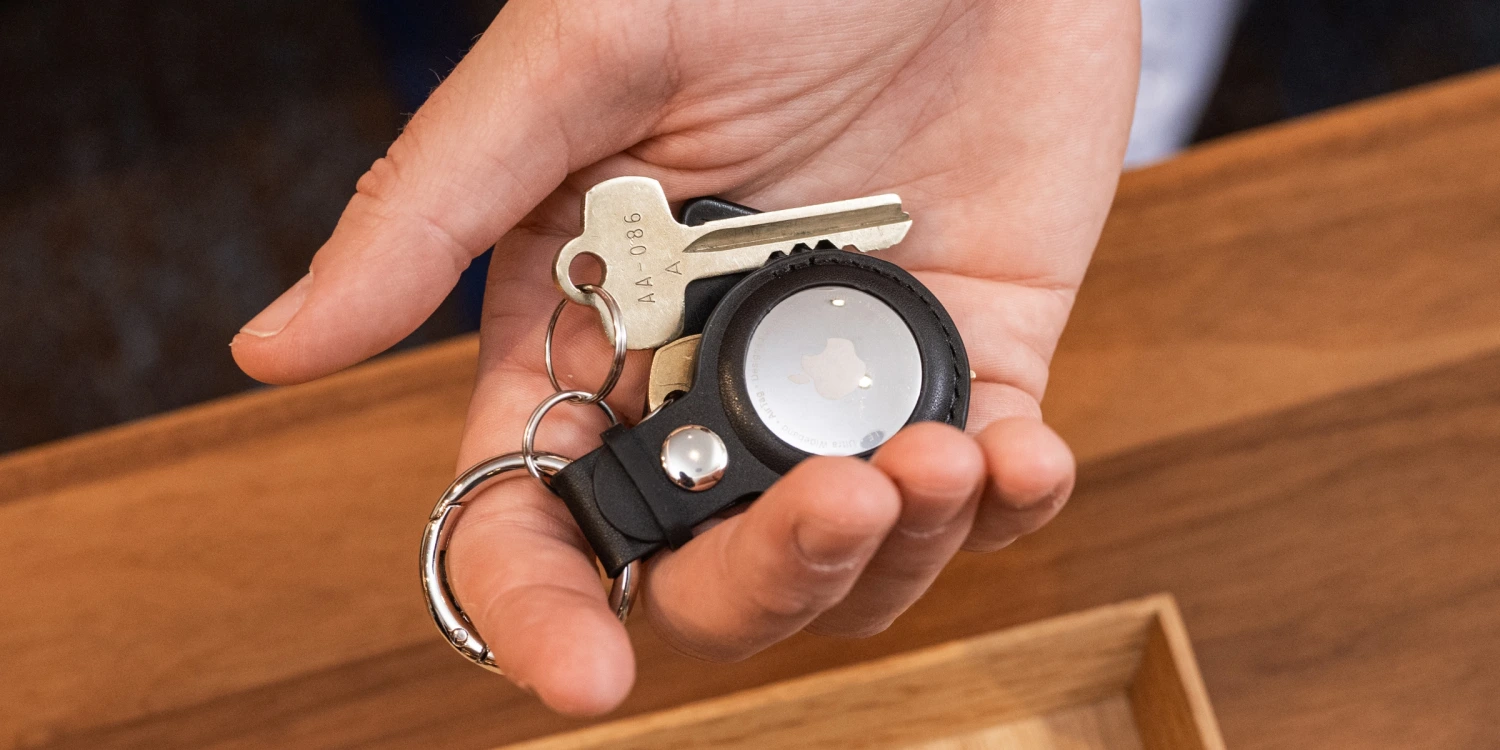
Tossing an Apple AirTag or a similar Bluetooth tracker into a checked suitcase has become a standard pre-flight ritual for millions of travelers. The appeal is obvious: when the baggage carousel stops spinning and your bag is nowhere in sight, opening the Find My app and seeing a crisp blue dot sitting inside Terminal B at Chicago O’Hare—or worse, still parked at your departure airport in Frankfurt—offers immediate clarity while the airline’s tracking portal still says “status unavailable.”
Yet knowing where your suitcase is and actually getting it back into your hands are two very different things. Over the past few years, travelers have discovered that while Bluetooth trackers are remarkably effective at pinpointing misrouted bags, they also come with real technical blind spots, airline policy hurdles, and practical limitations. Relying on a coin-sized tracker as your sole luggage insurance policy can leave you frustrated when things go sideways.

How Bluetooth Trackers Actually Work in Airports

To understand where AirTags shine and where they fall short, it helps to look at the technology underneath. An AirTag does not contain a cellular modem or a GPS receiver. Instead, it emits a low-energy Bluetooth signal that bounces off nearby Apple devices—iPhones, iPads, and Macs—belonging to passersby, ramp workers, or other passengers. Those devices anonymously relay the tag’s encrypted location to iCloud, updating the map on your phone.
In major airports packed with travelers and staff carrying smartphones, this crowdsourced mesh network works extraordinarily well. You can often watch your suitcase move from the check-in belt to the tarmac, onto the plane, and into the destination baggage hall in near real time.
However, that reliance on nearby smartphones creates immediate dead zones:
  • Remote Airports and Cargo Warehouses: If your bag gets misdirected to a small regional airfield or locked inside an isolated off-site storage facility where few people walk by with active smartphones, your tracker’s location may not update for hours or even days.

  • Metal Interference and Dense Packing: Thick aluminum suitcases (like classic Rimowa trunks) act like mini Faraday cages, weakening Bluetooth signal range. Burying a tracker underneath dense stacks of electronics, metallic toiletry bags, or heavy boots can further muffle its signal.

  • Update Delays: Location pings are not continuous live GPS streams. You might see a timestamp showing where your bag was twenty minutes ago rather than where it is at this exact second.

The Gap Between Finding Your Bag and Getting It Back

The biggest misconception about luggage trackers is assuming that showing an airline agent a map on your phone will immediately trigger a rescue mission. In reality, airport security rules and airline workflows create a strict wall between passengers and secure baggage areas.

Restricted Tarmac and Customs Access

Even if your app clearly shows your suitcase sitting fifty yards away behind a restricted door, airline agents cannot let you walk into a secure baggage sorting room or customs bond area to grab it yourself. Furthermore, at busy hub airports, third-party ground handlers—not direct airline employees—manage the baggage rooms. A customer service representative at the baggage claim desk often has no direct walkie-talkie link to the contractor unloading containers three terminals away.

Airline Share Item Location Features

Recognizing how widespread trackers have become, major carriers—including United, Delta, American, Lufthansa, British Airways, and Air Canada—have integrated Apple’s Share Item Location feature directly into their baggage recovery systems. This allows you to generate a secure, temporary link inside the Find My app and attach it to your official airline mishandled baggage report, letting authorized baggage recovery teams view live updates on their own screens.
While this integration is a huge step forward, it only works after you file a formal Property Irregularity Report (PIR) with the airline. Simply showing a screenshot at the counter without logging an official claim file does nothing to move your bag through the carrier’s logistics pipeline.

When Thieves Know What to Look For

Bluetooth trackers are designed to prevent unwanted stalking, which means an AirTag separated from its owner will eventually emit an audible chime and trigger an alert on nearby iPhones and Android devices alerting people that an unknown tracker is moving with them. If your bag is stolen rather than merely misrouted by an airline, a savvy thief will receive an alert, unzip your suitcase, and toss the tracker into a trash can within an hour.

How to Maximize Your Tracker’s Effectiveness

If you use an AirTag, Tile, or Samsung SmartTag, a few simple placement and setup habits dramatically improve its usefulness during a baggage mishap.

Hide the Tracker Inside the Lining

Never clip a tracker to the outside handle of your suitcase, where it can be snapped off by conveyor belts or spotted immediately by a thief. Instead, unzip the interior fabric maintenance lining—the hidden zipper running down the center of most modern suitcases that exposes the retractable handle rails—and secure the tracker deep inside using a small piece of gaffer tape or a slim adhesive mount. It stays protected from physical impact and completely invisible during a quick rummage.

Install a Fresh Battery Before Long Trips

AirTags run on standard CR2032 coin-cell batteries that last roughly one year. Replace the battery before major international itineraries, and avoid batteries coated with a bitterant child-safety film, which can interfere with the AirTag’s electrical contacts and cause sudden dropouts.

Pair Your Tracker With Visual and Paper Redundancies

Technology fails when batteries die or signals drop, so back up your digital tracker with physical identification:
  • Exterior and Interior Contact Cards: Attach a durable, covered luggage tag to the outside handle, and place a full-page sheet inside the top compartment listing your name, cell phone number with country code, email address, and flight itinerary. If the outer tag rips off on a sorting belt, baggage handlers always open the bag to look for internal identification.

  • Take a Pre-Flight Photo of Your Bag: Snap a clear photo of your suitcase next to a distinctive object before dropping it at check-in, along with a quick picture of the packed interior. When filing a lost baggage claim, showing an agent an exact photo of a “navy hard-shell spinner with a yellow strap” is far more effective than trying to describe it verbally.

  • Keep Your Baggage Claim Stub: Never throw away the small barcode sticker the check-in agent sticks to your boarding pass or passport. That 10-digit bag tag number is the only identifier recognized by global airline baggage tracing networks like WorldTracer.

What AirTags Cannot Replace

No tracker, regardless of brand, prevents a bag from being delayed, damaged, or lost permanently. That is why smart travelers treat trackers as an early-warning system rather than a complete safety net.
Always pack a 24-to-48-hour survival kit in your carry-on, including prescription medications, chargers, a change of underwear, one versatile outfit, and essential toiletries. If your checked bag takes an unexpected detour, you will not be stuck wearing yesterday’s clothes while hunting for a pharmacy.
Finally, understand your financial protections. Under the Montreal Convention for international flights and U.S. Department of Transportation rules for domestic flights, airlines are legally liable for documented out-of-pocket expenses—such as emergency clothing, toiletries, and rental gear—caused by delayed luggage, up to statutory liability caps. Save every itemized receipt from purchases made while waiting for your bag, and check whether your travel credit card offers secondary or primary baggage delay insurance that reimburses essentials after just six hours of delay.
An AirTag is one of the best $29 travel accessories you can buy, turning blind waiting into actionable tracking data. Pair it with official airline claim reports, smart carry-on packing, and solid documentation, and you will be prepared for whatever happens behind the baggage carousel curtain.

Comments are closed.