
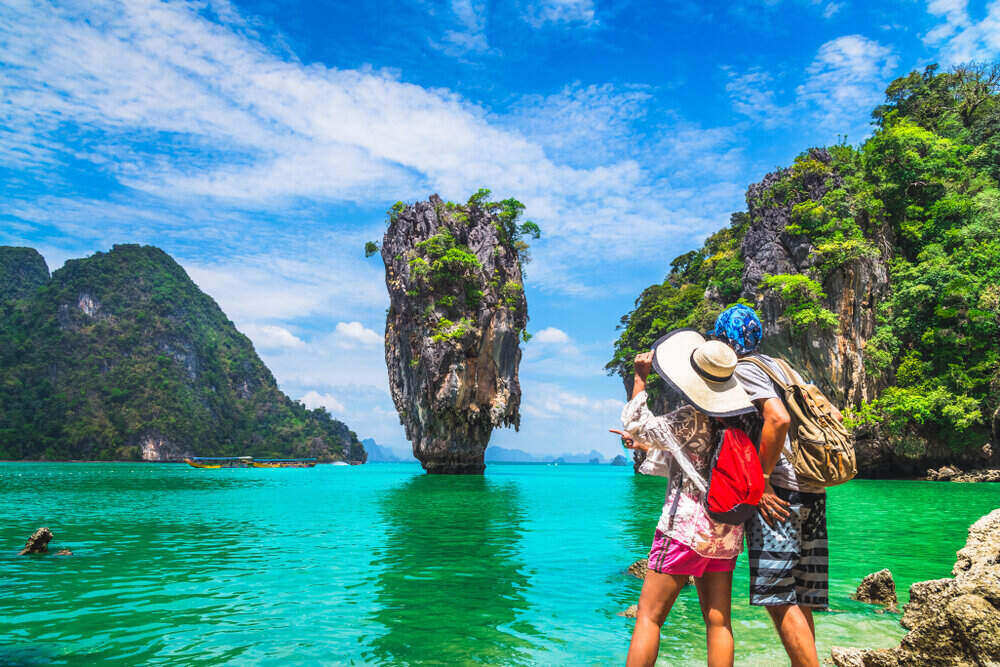

There is an undeniable allure to the coast. The rhythm of the crashing waves, the warmth of the sun on your skin, and the endless horizon of the ocean combine to create the ultimate setting for rest and rejuvenation. However, not all beaches are created equal, and dreaming about a coastal escape is much easier than actually choosing where to go. With thousands of miles of coastline scattered across the globe, picking the right beach vacation location requires more than simply pointing a finger at a map. Whether you are craving vibrant nightlife, pristine solitude for reading, or high-octane water sports, finding the ideal spot depends on aligning your personal travel style with the unique character of the destination.
Identifying Your Personal Beach Travel Style
Before you begin browsing resort websites or comparing flight prices, take a moment to define what a successful beach vacation looks like to you. People often assume that all beach trips are identical, but a crowded party beach in spring break territory offers an entirely different experience compared to a rugged, wind-swept coastline in the Pacific Northwest or a secluded bungalow in French Polynesia.
-
The Relaxation Seeker: If your primary goal is to decompress, you will want quiet, low-traffic beaches with calm waters, comfortable lounging infrastructure, and spa amenities nearby.
-
The Active Explorer: If sitting still under an umbrella feels like torture, look for destinations known for windsurfing, scuba diving, deep-sea fishing, or extensive coastal hiking trails.
-
The Culture Enthusiast: If you prefer your beach time mixed with local history, art, and authentic culinary traditions, coastal towns in Europe, Central America, or Asia that blend city life with shoreline access are ideal.
Evaluating Sand and Water Conditions
Many travelers make the mistake of assuming all ocean water and sand are roughly the same. In reality, coastal environments vary dramatically, and these physical factors can make or break your trip.
Research the specific geological makeup of the coastline. Some beaches feature powdery white coral sand that stays cool under your feet, while others are composed of coarse golden sand, dark volcanic basalt, or smooth river stones. Similarly, investigate the water conditions. Families with young children need shallow, gentle shores with minimal undertow and warm water temperatures. Conversely, surf enthusiasts actively seek out destinations with powerful reef breaks, strong currents, and cooler water temperatures that demand a wetsuit. Checking seasonal tide charts and local marine reports before booking prevents arriving at a destination only to find the water unswimmable or choked with seasonal seaweed.
Factoring in Seasonality and Weather Patterns
Weather is the ultimate wild card of any vacation, but coastal regions are particularly susceptible to unpredictable atmospheric shifts. Choosing the right time of year to visit a beach destination is just as important as choosing the location itself.
Many tropical destinations experience distinct rainy or hurricane seasons. Visiting a Caribbean island during peak tropical storm months might save you money on accommodations, but it risks ruining your itinerary with days of torrential downpours. Conversely, visiting a temperate beach location during the winter will leave you shivering rather than sunbathing. Always look up historical weather data, average water temperatures, and regional storm patterns for the exact month you plan to travel, ensuring your beach days remain bright and clear.
Balancing Accessibility and Isolation
The level of seclusion you desire will heavily dictate your geographic choices. Some of the most pristine, untouched beaches in the world are notoriously difficult to reach, requiring multiple flights, rugged four-wheel-drive vehicles, or long boat rides.
If you have a limited vacation window, spending two full days in transit just to reach a remote stretch of sand may not be worth the exhaustion. Weigh the convenience of major international airports and direct shuttle routes against the appeal of absolute wilderness. If you are traveling with family or prefer maximum convenience, selecting a destination within a short drive of a major transport hub minimizes travel friction. If you are an independent adventurer seeking total isolation, look toward lesser-known island chains or protected coastal reserves where tourist infrastructure is minimal.
Budgeting for Hidden Coastal Costs
Beach destinations frequently come with hidden economic factors that can inflate your travel budget if you are not prepared. Highly popular resort islands often feature inflated prices for basic goods, dining, and transportation because nearly everything must be imported.
Research the local cost of living and tourism pricing structures before locking in your destination. Consider whether you want an all-inclusive resort experience where meals and drinks are paid for upfront, or if you prefer a self-catering apartment rental where you can shop at local markets and cook your own meals. Additionally, factor in gear rentals, beach chair fees, and excursion costs, as these miscellaneous expenses add up quickly over the course of a week-long stay.
Frequently Asked Questions
How can I find lesser-known beaches that are not overcrowded with tourists?
Look beyond major resort guides and travel forums by using satellite map tools to spot hidden coves, read local travel blogs written by regional residents, and consider neighboring secondary towns rather than the primary tourism hubs.
What should I pack to protect my electronics from sand and salt water damage?
Invest in a quality waterproof dry bag or pouch for your phone, camera, and documents, and pack a microfiber towel specifically designed to wipe away fine sand particles without scratching screens.
Are public beaches generally safer than private resort beaches?
Safety varies significantly by region regardless of whether a beach is public or private. Research local safety ratings, check for lifeguard presence, and ask your accommodation provider about any specific neighborhood advisories.
How do I check if a beach destination suffers from severe seaweed or sargassum issues?
Many tropical regions experience seasonal sargassum influxes. Check recent traveler reviews on forums, social media geotags, or dedicated coastal monitoring websites for the specific months you plan to visit.
Is it better to book a beach vacation through a travel agent or independently?
Booking independently gives you maximum flexibility to customize flights and accommodations, whereas travel agents can often secure exclusive resort packages, airport transfers, and added perks for complex multi-destination itineraries.
What clothing is appropriate for beach towns outside of the actual sand?
While swimwear is standard on the beach, many coastal towns and local restaurants require modest resort-casual attire, such as light linen shirts, cover-ups, and footwear, out of respect for local cultural norms.
How can I minimize my environmental impact when visiting fragile marine ecosystems?
Use reef-safe sunscreen that lacks harmful chemicals, avoid disturbing marine life or coral formations, pack out all of your trash, and support local eco-certified tour operators who prioritize ocean conservation.
Comments are closed.