
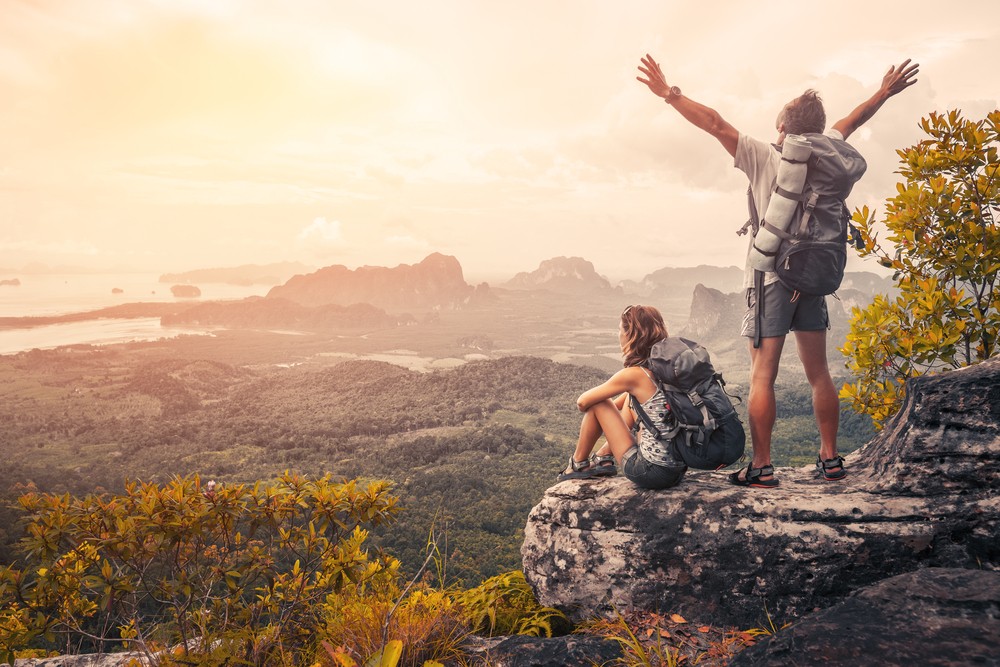

There is a distinct, profound silence found only at high altitudes. It is a silence that clears the mind, resets the spirit, and forces a reconnection with the natural world. For nature lovers, mountain destinations are more than just geographical features; they are sanctuaries where the chaos of modern life fades into the background. Whether you are seeking the jagged, snow-dusted peaks of the Rockies, the lush, mist-covered slopes of the Appalachians, or the dramatic, ancient volcanic formations of international ranges, mountains offer an unrivaled escape. Choosing the right mountain retreat involves balancing accessibility with the desire for solitude, and knowing which landscapes align with your personal definition of adventure.
The Allure of the Grand Teton National Park, Wyoming
Few places in North America capture the raw, untamed essence of mountain geography quite like the Grand Tetons. Rising sharply from the valley floor without the gradual transition of foothills, these peaks command attention. For the nature lover, this destination is a masterclass in ecosystem diversity. You can spend your mornings watching moose graze in the willow flats of the Snake River and your afternoons hiking high-alpine trails that lead to turquoise glacial lakes.
The park offers a rare combination of accessibility and true wilderness. While the main trails can attract a significant number of visitors, venturing just a few miles deeper into the backcountry reveals a landscape that feels unchanged by time. It is a premier location for wildlife photography, particularly during the transition seasons of spring and fall, when elk, bears, and birds of prey are most active.
Finding Serenity in the Great Smoky Mountains, North Carolina and Tennessee
For those who prefer a softer, more verdant mountain experience, the Great Smoky Mountains offer a lush, deep-forest retreat. This range is characterized by rolling peaks, old-growth forests, and a legendary diversity of plant life. The frequent mist—from which the mountains derive their name—creates a dreamlike atmosphere that is perfect for contemplative hiking.
-
Biodiversity: This region is home to one of the most diverse temperate ecosystems in the world, making it a paradise for botanists and wildflower enthusiasts.
-
Hiking Culture: The Appalachian Trail winds through the heart of the range, offering segments for every skill level, from casual strolls to multi-day trekking challenges.
-
Atmospheric Beauty: The blue haze hanging over the ridges provides a photographer with endless opportunities to capture light and shadow at different times of the day.
Exploring the Dramatic Peaks of Banff, Canada
Banff National Park is widely recognized as one of the most visually spectacular mountain regions on the planet. Located in the heart of the Canadian Rockies, the landscape is defined by massive glaciers, brilliant blue lakes, and towering, limestone peaks. The scale of the mountains here is immense, offering a humbling reminder of nature’s power.
What makes Banff truly special for the nature lover is the infrastructure that allows you to experience the high alpine safely. Whether you are paddling a canoe on Lake Louise, hiking the Larch Valley trail during the autumn season, or simply driving the Icefields Parkway to witness the sheer magnitude of the glaciers, the park provides endless avenues for exploration. It is a destination where the line between tourist attraction and protected wilderness is carefully managed, ensuring that the environment remains pristine for future generations.
The Volcanic Majesty of the Cascade Range, Washington
The Cascade Range offers a completely different aesthetic. Dominated by massive stratovolcanoes like Mount Rainier and Mount Baker, this region is rugged, glaciated, and dominated by deep temperate rainforests. The moisture coming off the Pacific Ocean nourishes a landscape that is vibrant, thick with moss, and teeming with life.
Hiking in the Cascades is a tactile experience. You might start your day in a humid, ancient forest under a canopy of Douglas firs and end it above the tree line on volcanic rock, looking out over a sea of clouds. It is a demanding environment that rewards the hiker with spectacular displays of alpine wildflowers in the summer and a profound sense of isolation that is increasingly hard to find in the modern world.
Why Mountain Environments Matter
Mountain regions act as the water towers of the world, providing essential resources and regulating local climates. For the traveler, spending time in these environments provides a unique psychological benefit often referred to as nature therapy. The lack of digital stimulation combined with the physical exertion required to navigate mountain terrain naturally reduces cortisol levels and increases focus. By stepping into these spaces, you are not just taking a vacation; you are engaging in a necessary practice of physical and mental restoration.
Furthermore, mountains provide an educational framework. Observing how vegetation changes as you ascend in elevation, understanding how water carves the landscape over millennia, and witnessing the seasonal migrations of mountain wildlife creates a deeper intellectual connection to the planet. Every trip into the mountains is an opportunity to learn something new about the natural systems that sustain us.
Tips for a Sustainable Mountain Experience
To ensure these destinations remain wild and beautiful, nature lovers must practice conscientious tourism. Always stick to marked trails to protect sensitive alpine tundra, which can take decades to recover from a single trampling. Pack out everything you bring in, including biodegradable waste, which does not decompose quickly in high-altitude environments. When viewing wildlife, maintain a respectful distance—using binoculars or a camera zoom is a far more ethical way to appreciate animals than approaching them for a photograph.
Frequently Asked Questions
What is the best time of year to visit high-altitude mountain ranges?
Late summer and early fall are generally the best times. In late summer, snow has melted from high trails, making them accessible, while early fall offers cooler temperatures and stunning foliage changes without the risks of early winter storms.
How can I prepare for altitude sickness when traveling to a mountain destination?
Hydration is key. Drink significantly more water than you usually do in the days leading up to your trip and after you arrive. Avoid strenuous physical activity on your first day, allowing your body to acclimate to the lower oxygen levels before heading for the peaks.
Are there mountain destinations that are suitable for beginners who do not want to hike?
Yes, many major mountain parks offer scenic drives, gondola rides to high-elevation viewpoints, and flat, paved nature walks that allow you to experience the majesty of the peaks without needing intense physical preparation.
What essential gear should I always carry in my daypack?
Regardless of how short your excursion is, carry a reliable map and compass, extra layers of clothing even in summer, a small first-aid kit, high-energy snacks, plenty of water, and a headlamp in case you get caught out after sunset.
How do I choose between a well-known national park and a lesser-known mountain range?
Choose a national park if you value amenities, marked trails, and visitor centers for education. Choose a lesser-known mountain range if you prefer solitude, quiet trails, and the challenge of navigating an area without heavy tourist infrastructure.
Is it necessary to hire a local guide for mountain excursions?
While not strictly necessary for well-marked day hikes, a guide is highly recommended if you plan to venture into backcountry, participate in mountaineering activities, or if you want to learn about the specific geology and ecology of the region from an expert.
How do I minimize my impact on mountain wildlife?
Keep your food stored in bear-proof containers if required, never feed animals regardless of how comfortable they seem, and keep all noise to a minimum. Quiet observation is the best way to see natural animal behavior without causing them stress.
Comments are closed.