

Winter often conjures images of crowded ski lifts, expensive lift tickets, and the inevitable soreness that comes after hours on the slopes. While alpine skiing and snowboarding remain the most popular ways to enjoy the season, they are far from the only ways to experience the magic of a winter landscape. For those who find the slopes too hectic, too predictable, or simply not their cup of tea, the colder months offer a vast playground of adrenaline-fueled and serene activities. From the silent, frozen forests to the crystalline surfaces of mountain lakes, there is an entire world of adventure waiting for those willing to venture beyond the ski resort.
Mastering the Art of Snowshoeing
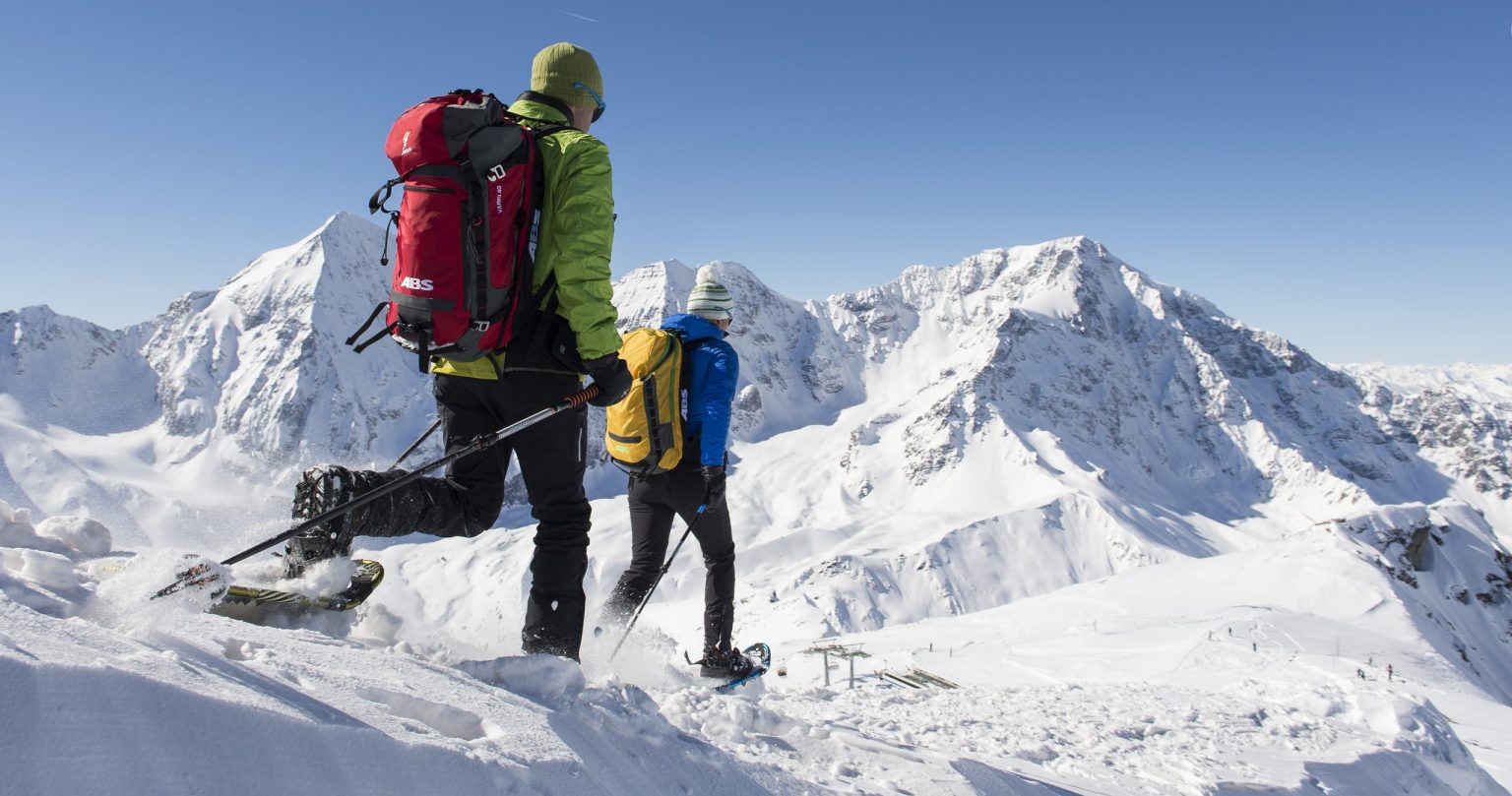
If you can walk, you can snowshoe. This ancient method of traversing deep, powdery snow has evolved from simple wooden frames into high-tech gear designed for comfort and agility. Snowshoeing allows you to step off the groomed trails and enter the untouched backcountry. The beauty of this activity lies in its accessibility and the pace at which you travel.
Unlike skiing, which can feel like a blur of motion, snowshoeing invites you to pause and observe. You can trek through dense pine forests, explore frozen meadows, or climb moderate peaks without the need for specialized athletic training. It is an excellent way to maintain cardiovascular health while enjoying total solitude. Many mountain regions now offer guided full-moon snowshoe tours, where you can experience the stark, beautiful contrast of light and shadow on the snow under the night sky.
The Exhilaration of Winter Fat Biking
Cycling is traditionally viewed as a warm-weather pursuit, but the rise of fat bikes has shattered that perception. Equipped with oversized, low-pressure tires that provide incredible traction, these bicycles can roll over packed snow, ice, and frozen trails with ease. It is a unique experience to pedal through a winter wonderland, feeling the crisp air against your face while navigating terrain that would be impossible for a standard mountain bike.
Fat biking provides a high-intensity workout and a different perspective on local trails. Many ski resorts and municipal parks now maintain dedicated fat-biking tracks. It demands balance and focus, making it a thrilling way to challenge yourself while staying active. The added benefit is that the winter landscape transforms familiar trails into entirely new, technical environments, offering a fresh challenge for seasoned cyclists.
Harnessing the Power of Sled Dogs
For those seeking a profound connection with nature and working animals, dog sledding is the ultimate winter expedition. This activity is not just about the ride; it is about the bond between the musher and the pack. As the sled glides over the snow, pulled by a team of eager, energetic dogs, you will find yourself immersed in the sheer power and history of Arctic travel.
Most commercial dog sledding operations allow you to try your hand at mushing under the guidance of a professional. You learn the commands, the mechanics of turning and braking, and the art of managing the team. It is a fast-paced, noisy, and exhilarating experience that covers distances you could never manage on foot. Gliding through the wilderness behind a team of dogs is a sensory-rich adventure that stays with you long after the winter ends.
Ice Climbing for the Brave
If you are looking for a true adrenaline spike, look no further than ice climbing. This sport involves scaling frozen waterfalls, icicles, or snow-covered rock faces using specialized tools like crampons and ice axes. While it might look intimidating, introductory ice climbing courses are widely available and focus heavily on safety and technique.
Ice climbing is as much a mental game as it is a physical one. It requires careful planning, precise movement, and a high degree of focus. Standing at the base of a towering, frozen waterfall and realizing you have the skills to ascend it is a moment of pure accomplishment. The gear, the cold, and the vertiginous height combine to create an intensity that few other sports can match. It is a powerful way to redefine your relationship with the winter cold, turning what is usually a hazard into a vertical playground.
Exploring the Quiet of Ice Fishing
For those who prefer a slower, more meditative approach to winter, ice fishing provides an intimate window into the aquatic world beneath the ice. It is a practice rooted in patience and local knowledge. Setting up a shelter on a frozen lake, drilling a hole through the thick ice, and waiting for a bite creates a sense of detachment from the busy world.
Ice fishing is about the experience as much as the catch. It is a social activity that brings people together in small, heated tents, sharing stories and warmth against the backdrop of a vast, frozen expanse. It teaches you to read the ice, understand the movement of fish in cold water, and appreciate the stillness of the environment. Whether you are a seasoned angler or a complete novice, there is something deeply satisfying about mastering the elements to secure a fresh meal in the middle of a snowy landscape.
Winter Wildlife Photography
The winter landscape is a photographer’s dream. With the crowds thinned out and the light reflecting off the snow, the opportunities for capturing breathtaking wildlife and nature shots are immense. During the winter, wildlife is often more visible against the stark, white background. Tracking animals, understanding their seasonal behaviors, and waiting for that perfect moment of light requires a different kind of skill—a blend of patience, endurance, and artistic vision.
Beyond the technical skills of photography, this pursuit encourages you to slow down and notice the details you would otherwise miss: the intricate patterns of frost on a leaf, the way snow settles on the branches of a fir tree, or the fleeting appearance of a mountain fox. It turns every winter outing into a creative mission, ensuring that you return home not just with memories, but with tangible artistic captures of the season.
Choosing Your Winter Path
Transitioning from a skier to a multi-dimensional winter adventurer opens up possibilities that make the season feel shorter rather than longer. By diversifying your activities, you become more resilient to changing snow conditions and more deeply connected to the environments you visit. Whether you are seeking the high-speed thrills of fat biking, the historical connection of dog sledding, or the quiet contemplation of ice fishing, the winter landscape is vast, varied, and ready to be explored.
Frequently Asked Questions
Do I need specialized clothing for activities like snowshoeing or winter hiking?
Yes, layering is critical. Start with a moisture-wicking base layer to keep sweat off your skin, add an insulating middle layer for warmth, and finish with a windproof and waterproof outer shell to protect against the elements.
Is ice fishing dangerous for beginners?
Safety is paramount. Always check local reports on ice thickness before heading out, avoid areas with moving water, and never go out on the ice alone if you are inexperienced. Use a spud bar to test ice depth frequently.
How do I prepare my body for the physical demands of winter sports?
Focus on core strength, balance, and leg endurance exercises in the months leading up to winter. These activities prepare your muscles for the unique challenges of moving through deep snow or navigating slippery terrain.
Are there any age restrictions for activities like dog sledding or ice climbing?
Age requirements vary by operator and the intensity of the specific program. Most introductory dog sledding tours are suitable for families, while ice climbing often has a minimum age limit based on the size of the equipment and the physical strength required.
What should I look for when renting fat bike equipment?
Ensure the bike is properly sized for your height and that the tire pressure is adjusted for the specific snow conditions—lower pressure is generally better for soft, deep snow to maximize traction.
Can I participate in these activities if I am not an experienced outdoor enthusiast?
Many of these sports offer guided tours or introductory lessons designed specifically for beginners. Utilizing a guide is the safest and most efficient way to learn the basics while ensuring you have the proper safety gear.
How do I find reputable guides for these winter adventures?
Check official tourism websites for the region you are visiting, look for companies with certifications from national mountain or outdoor adventure associations, and read reviews from other travelers to gauge the quality of instruction and safety standards.
Comments are closed.